
Food / From the forest · March–May
Trứng kiến
Ant eggs hunted in the forest each spring: rich, and best in a sour soup with lá bún.
Trứng kiến, ant eggs, are a seasonal dish of the mountains of western Quảng Trị, Kim Phú among them. Ivory-white and rich, they are best known in a sour soup with lá bún. For visitors this is probably Kim Phú’s most unusual dish, and the one many remember longest.
When are ant eggs in season?
Ant eggs are hunted from March to May, when the ants nest in the trees. Outside the season they are hard to find, so if you want to try them, ask your host before you come.
How are they gathered?
In season, villagers across the mountain communes head into the forest with knives, machetes, sacks, basins, bamboo trays and kitchen ash. They find a nest, break it open and sift out the eggs, to sell and to cook for guests.
How are ant eggs cooked?
The classic dish is ant-egg soup with lá bún, the way it is made around the old Minh Hóa district, now Kim Phú and its neighbours: rich from the eggs and lightly sour from the leaves. The eggs are also stir-fried with lime leaves or steamed with sticky rice. In season it is a regular on the table when mountain families host guests. First time? Start with a small taste.
Where to try Trứng kiến in Kim Phú
Most local dishes are on no restaurant menu. The surest way is to book dinner with a home cook in Tân Hóa village (200,000 VND per person, book at least a day ahead) and ask for Trứng kiến. Many dishes are seasonal, so your host will tell you what is available. Staying the night? Ask your homestay host when you book.
- Mar–May
- ant-egg season
- In the trees
- where the ants nest
- Soup
- the classic dish, with lá bún
Try this
- Ask your host whether it is ant-egg season
- Eat the ant-egg soup hot, with pồi
- First time? Start with a small taste
More Kim Phú dishes
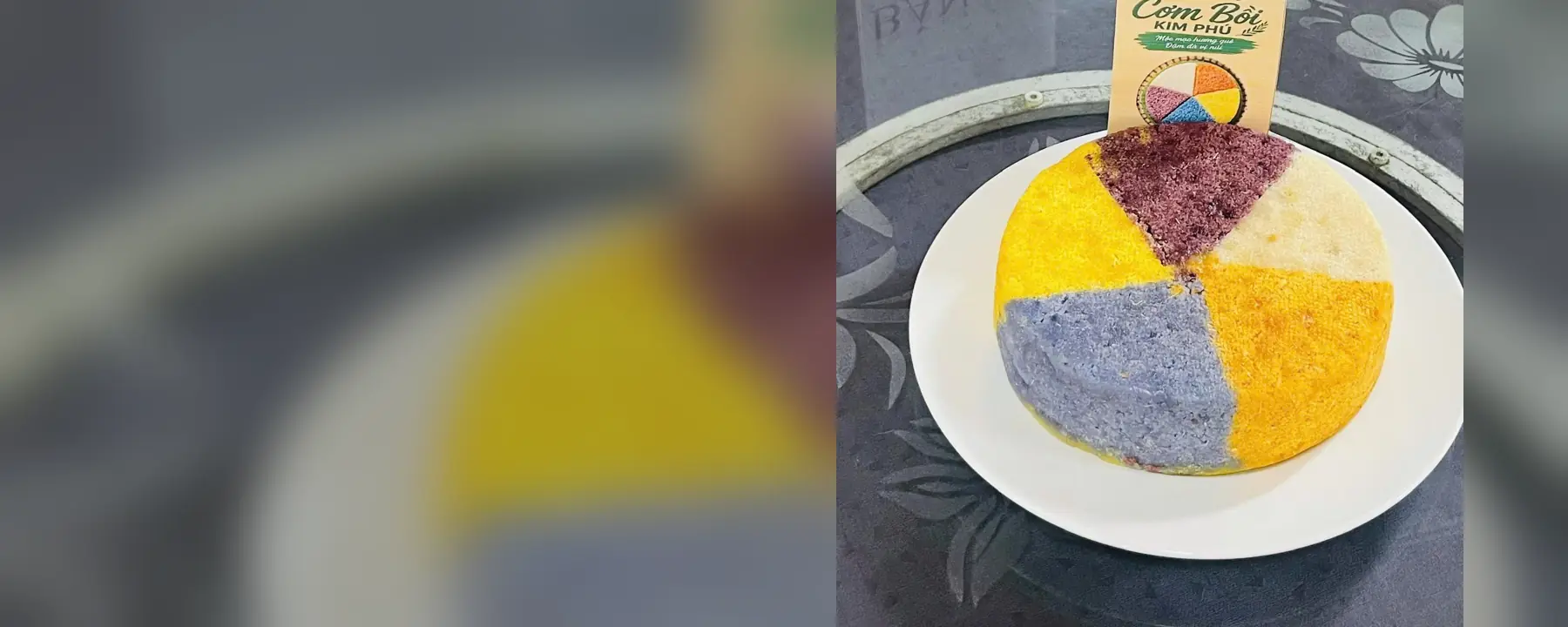 From the hill fieldsPồiThe “rice” of the Nguồn people, made from corn and cassava.
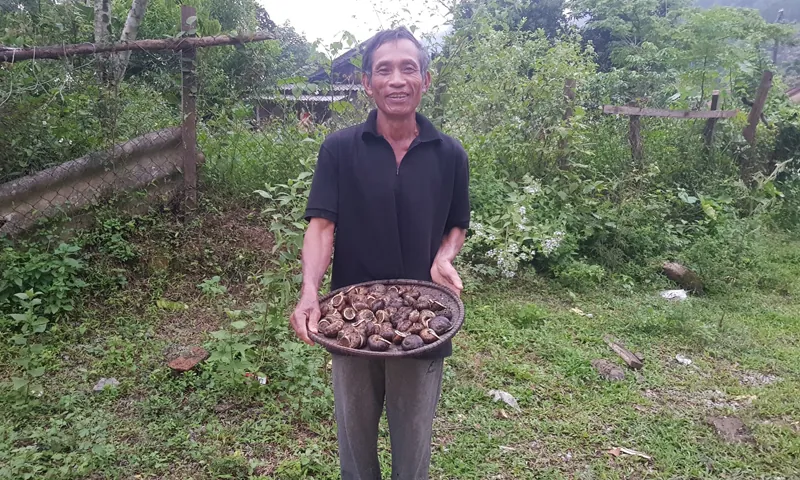 From the limestoneỐc lènA snail that lives on the mountain, not in the water.From the Rục peopleRượu đoác (đoác wine)A wine that is never distilled, drawn from the top of a forest palm.From the stream banksLá búnA sour wild leaf from the stream banks, pickled before cooking, with an aroma all its own.From the nestNhộng ongThe pupae of the forest’s fiercest wasp, turned into a home-cooked treat.